The three key points to remember
1. Properly preparing your solo trip properly helps you avoid most unexpected situations.
2. Adopting a few simple safety habits (reliable accommodation, managing documents and money, emergency numbers) greatly reduces your exposure to risk.
3. Comprehensive travel insurance protects you in the event of health problems, cancellation, theft or personal liability, so you can travel confidently.
Travelling alone is a chance to reconnect with yourself, step outside your comfort zone and meet new people. To ensure the experience remains enjoyable, good preparation, a few basic safety habits and the right protection are essential throughout your trip. Here are all our tips to help you set off with peace of mind, even for your very first solo trip.
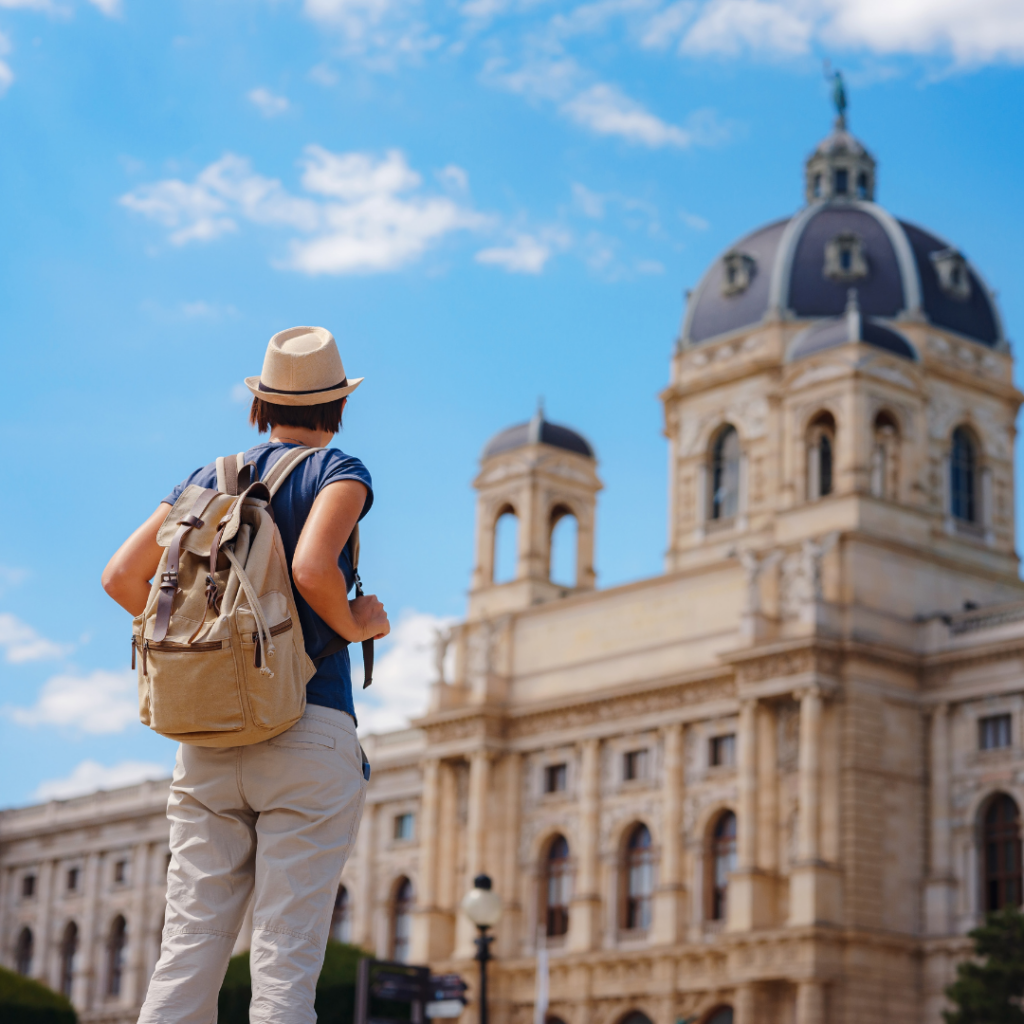
Preparing properly for your solo trip
A solo trip shouldn’t be left entirely to chance. Planning ahead will help you start your journey with peace of mind and make the most of every moment.
Choosing a destination that suits a first solo trip
For a first solo trip, choose destinations that are considered safe, easy to reach and popular with travelers, such as Portugal, Ireland, Japan or Canada. Opting for a country with good tourist infrastructure, accessible healthcare and a developed transport network (trains, buses, domestic flights) makes it easier to get around and helps reduce stress once you are there.
It can also be reassuring to choose a destination where you know at least a few basic phrases in the local language or, at the very least, can get by in English, making it easier to communicate and feel more at ease.
Before booking, take time to research areas to avoid, local living costs and local customs (dress codes, tipping, behaviors to avoid). Finally, choosing the right time of year, ideally avoiding the rainy season, periods of extreme heat or the peak tourist season will help you avoid unpleasant weather conditions and large crowds.
Building a realistic and flexible itinerary
An overly ambitious itinerary can quickly become a source of stress. Plan a few key stops (cities, regions, major points of interest) rather than trying to see everything in a single trip. A reasonable pace with short journeys helps you keep your energy for sightseeing and meeting people. Do not hesitate to leave free days for a spontaneous day trip, a wander through a newly discovered neighborhood or a café where you feel like lingering.
Tips:
Booking your accommodation for your first few nights as well as your key travel arrangements (international flight, long‑distance trains, night buses) in advance helps you arrive more relaxed and avoids the stress of having to arrange everything at the last minute.
Planning your budget, health requirements and travel documents
Estimating your main expenses in advance and keeping a small buffer is essential for unexpected costs. Having several means of payment (main card, backup card, some cash) can help avoid problems if anything is lost or a card is stopped by your bank.
When it comes to travel documents, take the time to check that your passport is valid, review the country’s entry requirements (visa, permitted length of stay), and verify any recommended or required vaccinations. Visiting the official site of the Ministry of Foreign Affairs is a great way to stay informed about safety advice and health recommendations for your destination country.
Safety tips for solo travelers
Safety is often the first concern when traveling alone. A few simple habits can go a long way toward reducing risks.
- Choose well‑rated accommodation with plenty of recent reviews. Check the area, how close it is to public transport and how well lit the streets are, as well as any security features (24‑hour front desk, lockers or safe, lock on the room door, etc.). Other travelers’ comments often provide valuable insight into the atmosphere and quality of the accommodations.
- Share your itinerary (dates, cities, accommodation, flights) with someone you trust.
- Protect your documents and your money. Scan your important papers (passport, visa, tickets, proof of insurance) and store them securely.
- Avoid displaying valuable items (jewellry, expensive devices) and avoid walking alone at night in isolated areas. If something doesn’t feel right, it’s better to change your plans than to put yourself at unnecessary risk.
- Always keep a record of the local emergency numbers (for example 112 in Europe, 911 in North America, 000 in Australia, 111 in New Zealand, 110 in China, Japan or Thailand, 100 in India), as well as the contact details of your embassy or consulate. Also keep the emergency contact numbers for your travel insurance both in your phone and on a printed copy, in case your battery dies.
Useful apps for solo travelers
With the right apps, you can easily find your way around, stay in touch with loved ones and handle unexpected situations along the way.
To plan your trips, apps such as Skyscanner or Trainline make it easy to compare and book flights and trains, while Moovit or Citymapper are very handy for navigating public transport in big cities. An offline maps app such as Google Maps (with areas downloaded) or Maps.me will help you stay on track even without an internet connection, by saving your accommodation and points of interest.
For communication, WhatsApp, Signal and Telegram make it easy to send messages and make calls over Wi‑Fi for free, while also allowing you to share your real‑time location with someone you trust.
To choose accommodation and activities more confidently, platforms such as Booking.com, Airbnb or GetYourGuide provide plenty of traveler reviews that can help you identify pleasant neighborhoods and highly rated places to stay.
Travel insurance: set off with peace of mind with Foyer
When you travel alone, being able to rely on a trusted contact makes all the difference. Foyer’s travel insurance offers practical support before, during and after your trip, so you are never truly on your own when facing a problem far from home.
Depending on the plan you choose, Foyer can cover unexpected medical costs abroad, repatriation, hospital stays, as well as trip cancellation or interruption in the event of a serious incident. Baggage coverage and personal liability round off this protection so you can handle the most common situations when traveling.
Before you go, check what coverage is included (limits, deductibles, possible exclusions) so you know exactly when Foyer can provide support. If something goes wrong, a simple call to the assistance team will connect you with the right contacts, help you arrange medical care or an early return, or take care of administrative formalities so you don’t have to face everything alone.
Good to know: Why credit card insurance isn’t always enough
The insurance included with a credit card often provides only limited coverage in terms of duration, lower reimbursement limits and fewer benefits, and is often subject to strict conditions.
Traveling alone is a valuable experience that helps you get to know yourself better, gain independence and create lasting memories. With careful planning, a few well‑chosen digital tools and suitable travel insurance, you can reduce risks without sacrificing spontaneity. By taking care of your organisation, safety and travel arrangements in advance, you give yourself every chance of enjoying a truly memorable trip.
Frequently asked questions about traveling alone
How do I choose a first destination if I have never traveled alone before?
For a first solo trip, it is best to choose a destination perceived as safe, well-organised, and welcoming to travelers. Go for a country where it is easy to get around on public transport, where tourist infrastructure is developed and where you can at least get by in the local language or in English.
What should I do if I feel unsafe while traveling?
If a situation makes you feel uncomfortable, trust your instincts. Move somewhere else, head for a busy place (hotel, café, or station), and, if necessary, ask a staff member there for help. Keep local emergency numbers handy, along with the contact details of your embassy or consulate, and your travel insurance assistance number, so you can react quickly in the event of an emergency.
Which apps are truly essential for a solo traveler?
A few well‑chosen apps are all you need: one for offline maps, one for messaging with your loved ones and one for booking accommodation.