Three key takeaways
1. Some common foods can cause severe poisoning in dogs and cats, affecting the kidneys, blood or nervous system.
2. Any ingestion of a potentially toxic food requires prompt veterinary advice, even if no symptoms are present.
3. Prevention remains the best protection: keeping potentially harmful foods out of pets’ reach can help prevent the majority of household accidents.
Chocolate, grapes and onions, for example, can be dangerous for dogs and cats. Commonly found in our kitchens, these foods may be accidentally ingested and cause poisoning, the severity of which varies depending on the species, the animal’s weight and the amount consumed. Which foods should be kept out of reach? What should you do if your pet eats one of them? Discover the risks to be aware of and the precautions you can take to keep your companion safe.
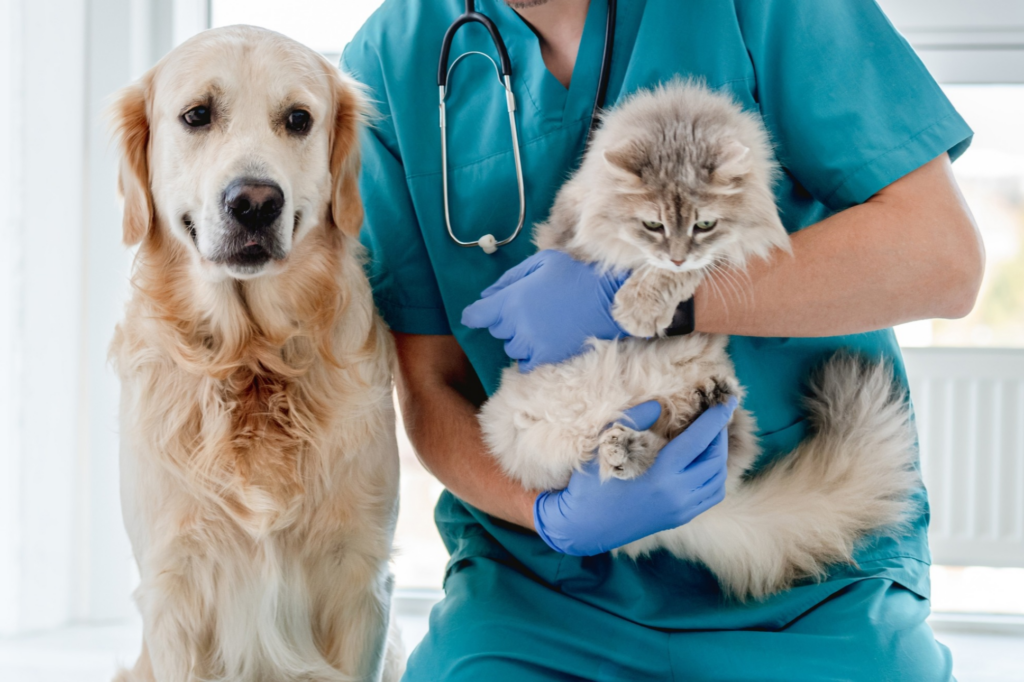
Which foods are toxic to dogs and cats?
Some foods that are harmless to humans can cause poisoning in pets. Here are ten foods or food categories that should be kept out of their reach.
1. Chocolate and cocoa
Chocolate contains theobromine and caffeine, two substances that are toxic to dogs and cats. The higher the cocoa content, the greater the risk. Ingestion may cause vomiting, unusual agitation and heart rhythm disturbances. In severe cases, tremors and seizures may occur.
2. Fresh or dried grapes
Grapes can cause acute kidney failure in dogs and also present a toxicity risk for cats. Raisins remain dangerous, including when baked into cakes, buns or biscuits. Since sensitivity varies from one animal to another, any ingestion requires immediate veterinary advice, even in the absence of symptoms.
3. Onions, garlic and chives
Onions, garlic and chives can damage red blood cells and cause anaemia in dogs and cats. They may also lead to digestive disorders. Be careful not to leave cooked meals, sauces or leftovers containing these ingredients within reach.
4. Products containing xylitol
Found in some chewing gum, sweets and baked goods, xylitol is a sweetener that is particularly dangerous for dogs. It can cause hypoglycaemia (a severe drop in blood sugar) and liver damage. Vomiting, lethargy and loss of coordination may occur before seizures develop.
If ingestion is suspected, contact a veterinarian immediately and keep the product packaging.
5. Coffee and caffeine-rich products
Like chocolate, coffee contains stimulants that are toxic to pets. The risk increases with caffeine concentration. Poisoning may result in agitation, vomiting, excessive thirst or an abnormally rapid heart rate. In the most severe cases, tremors and seizures may occur.
6. Alcoholic drinks and foods containing alcohol
Alcoholic beverages and foods containing alcohol can cause serious poisoning in dogs and cats. Alcohol is rapidly absorbed by the body and may lead to vomiting, loss of balance, lethargy or breathing difficulties. In severe cases, the animal may fall into a coma. Any suspected ingestion requires immediate veterinary attention.
7. Raw bread dough containing yeast
Raw bread dough containing yeast presents a double risk. As it continues to ferment in the stomach, it produces gas that can cause painful stomach distension or even gastric torsion (bloat). Fermentation also releases alcohol, which may lead to alcohol poisoning.
8. Macadamia nuts
In dogs and cats, macadamia nuts may cause weakness, difficulty walking, vomiting, tremors and an elevated body temperature. Symptoms generally appear within twelve hours of ingestion.
9. Green or sprouting potatoes
Sprouts and green parts of potatoes contain high levels of solanine. This substance affects the digestive tract and the nervous system. It may cause vomiting, diarrhoea and excessive salivation, sometimes accompanied by tremors or loss of balance. Avoid giving your pet green or sprouting potatoes, including peelings.
10. Salt and highly salted foods
When consumed in large quantities, salt can cause poisoning in dogs and cats. Foods such as salted snacks, tuna in brine and other highly salted products should be kept out of reach. Unusual thirst, vomiting and diarrhoea may indicate excessive salt intake. In severe cases, tremors and seizures may occur and require urgent veterinary treatment.
Raw foods and cooked bones: other risks for your pet
Raw meat, raw fish and raw eggs may carry bacteria that cause infections. Some raw fish also contain an enzyme that destroys vitamin B1 (thiamine). Frequent and excessive consumption may lead to deficiency and neurological disorders, particularly in cats.
Contrary to popular belief, cooked bones are not safe. Cooking makes them brittle, increasing the risk of splintering into sharp fragments that can damage the digestive tract. Once swallowed, these fragments may cause an obstruction or even a perforation.
Finally, milk and some dairy products are sometimes poorly digested and may cause diarrhoea. Fatty leftovers can also lead to digestive upset and contribute to pancreatitis. It is always preferable to provide food specifically adapted to your pet rather than table scraps.
What should you do if your pet eats a toxic food?
In the event of a confirmed or suspected ingestion, contact your veterinarian immediately or an emergency veterinary service, even if your pet is not showing any symptoms. Some forms of poisoning develop with a delay, and early assessment helps determine the appropriate course of action before the situation potentially worsens.
To help the veterinarian assess the risk, a few simple steps are essential:
- Remove the food from your pet’s reach and ensure that no other animals in the household have had access to it.
- Keep the packaging, ingredient list and any leftovers so that the product can be accurately identified.
- Estimate the amount consumed and the time of ingestion.
- Inform the veterinarian of your pet’s age, weight and medical history, as well as any changes in behaviour or symptoms observed.
Do not attempt to treat your pet yourself. Likewise, do not try to induce vomiting and do not administer any medication or home remedy unless specifically instructed by a veterinarian.
If your pet experiences seizures, breathing difficulties or loss of consciousness, seek assistance from an emergency veterinary clinic without delay. Take the product packaging with you to help the veterinary team identify the substance involved.
Pet insurance: helping you plan for emergencies
An accident or illness requiring surgery can result in significant veterinary expenses. Foyer’s happy pet dog and cat insurance helps cover eligible treatment costs in accordance with the terms, conditions and limits set out in the policy.
The coverage includes, in particular, surgical costs, hospitalisation and pre- and post-operative care associated with a surgical procedure, up to an annual limit of €3,500.
If a pet is suspected of having ingested a potentially toxic food, it is essential to contact a veterinarian promptly. Depending on the situation, the veterinarian will determine the most appropriate treatment. Certain procedures carried out as part of a surgical intervention, such as anaesthesia with gastric lavage, may be covered under the policy. However, treatments administered without surgery, such as medication given to induce vomiting, are not covered.
To help you make an informed decision, your Foyer agent can guide you through the policy’s cover, exclusions and waiting periods, helping you understand exactly what is and is not covered.
Protecting your companion starts with a few simple precautions: keep risky foods out of reach, monitor leftovers and make sure all household members are aware of potential dangers. If you suspect your pet has ingested a toxic food, contact a veterinarian promptly. Professional advice remains essential to assess the situation and determine the appropriate action.
Frequently asked questions about toxic foods for dogs and cats
Is a small amount of a toxic food dangerous?
A small quantity does not necessarily mean there is no risk. The severity depends on the food involved, the concentration of toxic substances and the pet’s weight. In the case of chocolate, for example, the type of chocolate consumed is just as important as the quantity. Seek veterinary advice, keeping the packaging and estimating the amount ingested whenever possible.
Should I make my pet vomit after ingestion?
Do not attempt to make your pet vomit. This decision should be made by a veterinarian and depends on the product ingested and your pet’s condition. During your call, explain what was eaten, the estimated quantity and any symptoms observed. The veterinarian will advise you on the appropriate course of action and determine whether treatment is required.
Are the same foods toxic to both dogs and cats?
Some foods, such as chocolate, are dangerous for both species, but their sensitivity is not always the same. For example, cats are generally more sensitive to the effects of onions and garlic than dogs. Every case of ingestion should therefore be assessed individually.