It is generally estimated that we spend about a third of our lives asleep. This essential activity for our physical and mental well-being may quickly become problematic in the event of recurring sleep problems. In the same way as food, the quality of our sleep has a considerable impact on our health.
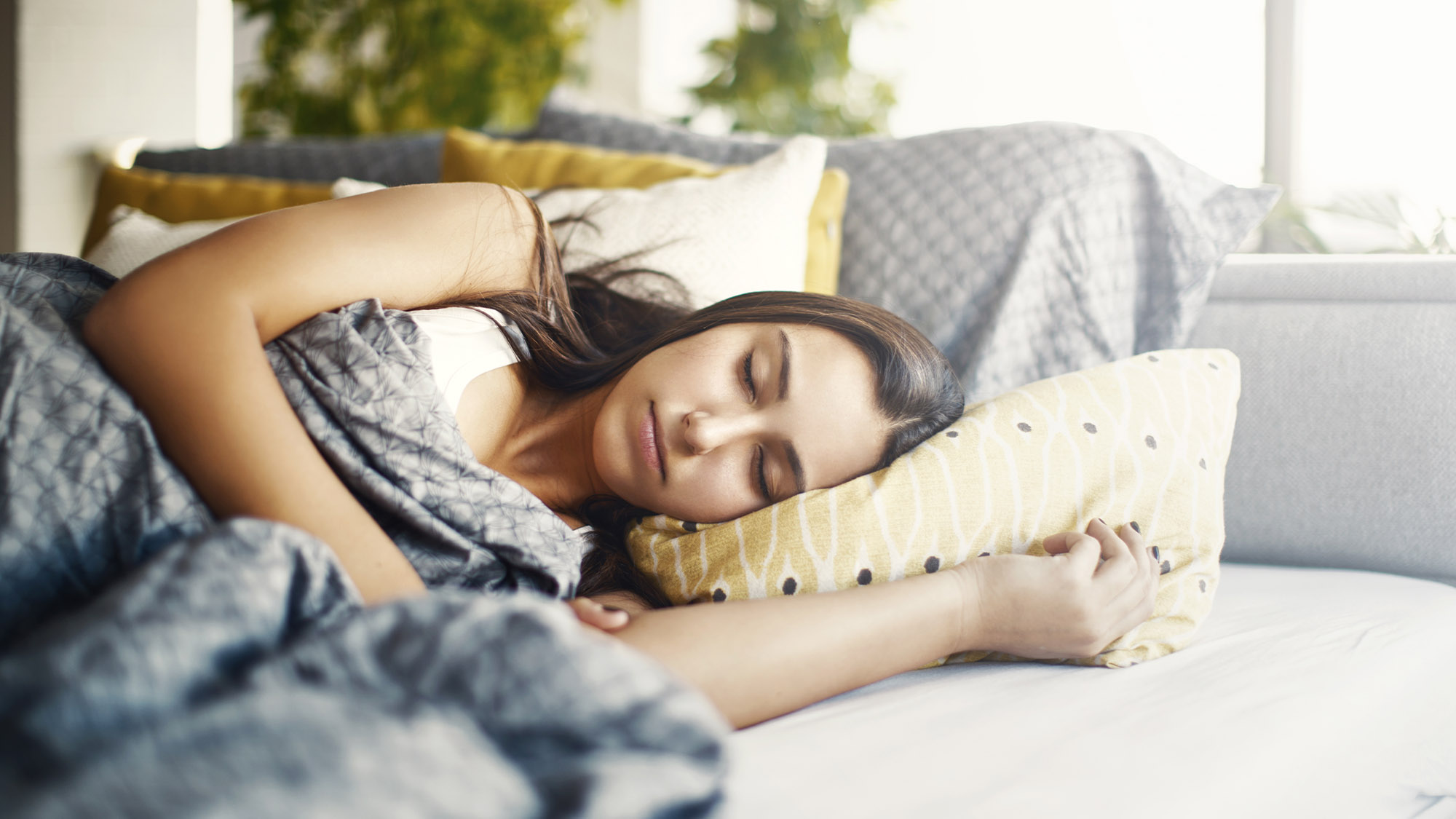
What is sleep for?
Sleep has been part of life since the dawn of time, literally. We now know that blue-green algae, which appeared almost four billion years ago, already had a biological clock that alternated periods of activity and rest.
For a human being, a lack of sleep has numerous negative consequences. These are both physical (hormonal disturbances, heart problems, etc.) and mental (depression, mood disorders, etc.).
A study conducted in the US in 2013 revealed that daily neuronal activity generates toxins. These are only cleared out and eliminated during sleep.
What does a night’s sleep consist of?
Sleep is made up of 3 to 6 successive cycles lasting an average of 60 to 120 minutes. The length of these cycles varies from one person to another and throughout the night. (source: Sommeil · Inserm, La science pour la santé)
At the beginning of a cycle, light non-REM sleep first dominates, and then gives way to mainly deep non-REM sleep. This is the phase in which you most recover from the physical tiredness you have accumulated.
This is then followed by REM (Rapid Eye Movement) sleep, the phase in which you have dreams. During REM sleep, your brain activity is at its most intense, your muscles are lethargic even though your eyes are constantly moving. . It is also during this phase that your brain organises your memory and what you learned during the day.
Screens: the enemy of a good night’s sleep?
In our increasingly connected world, screen use can have a negative impact on sleep quality. Smartphones, tablets, computers and televisions emit blue light which disrupts the production of melatonin, the hormone that helps regulate sleep. Exposure to screens in the evening can therefore delay bedtime and make it more difficult to fall asleep. (source: Sommeil · Inserm, La science pour la santé)
To help prepare the body for a restorative night’s sleep, it is recommended to avoid screens during the hour before bedtime and instead choose calming activities such as reading, meditation or relaxation exercises. Combined with regular sleeping habits, these practices can create an environment that supports falling asleep and improves overall sleep quality.
How to combat the most common sleep disorders
How to sleep well is not always obvious, because sleep times and schedules vary from one person to another, and evolve throughout your life.
To get an idea of the sleep you need, try an experiment during your next holidays (ideally after a first week of rest). Just pay attention to the time at night when you start to feel tiredness coming over you, and then note the time you naturally wake up. You will then know your optimal sleep cycle, as well as the hours of rest you naturally need. It is also important to respect your biological clock and go to sleep at the same time every day. Your sleep will only be better for it.
According to an article that appeared in daily newspaper Luxemburger Wort, it is estimated that 200,000 people in Luxembourg are affected by sleep disorders. If you suffer from one of the most common sleep disorders, read our recommendations below.
- Insomnia is undoubtedly the most common sleep disorder. It perfectly illustrates the vicious circle that forms when it is impossible to fall asleep: sleep becomes illusive and tends to evade us when we try to control it.
Insomnia is often psychological in origin, and may be caused by stress, anxiety or even depression. There are now numerous behavioural and cognitive therapies to combat it.
In these treatments, you are supported by professionals who use sleep journals and talking therapy to help you regain control over your insomnia.
You can also do yoga to regain restorative sleep. The poses and breathing of this activity are an ideal way of getting rid of the stress accumulated during the day and encouraging relaxation, these exercises can easily become part of your daily evening ritual. No need to take a course: you can do yoga in your bed to get to sleep! - Sleep apnea consists of interruptions in breathing. These are generally caused by the tongue and the muscles of the throat blocking the airway during sleep.
This disorder is the most common among the elderly or the overweight. It is therefore first of all recommended to go on a diet to lose weight and cut out alcohol, tobacco and anxiolytics.
In more serious cases, it is recommended to see a doctor, because there are medical solutions such as mandibular devices (or braces), night ventilation therapies or even surgery in certain specific instances. - Sleepwalking (somnambulism) is aptly named, as it takes its name from Latin, and means “walking while asleep”. This affliction, which affects children more than adults, induces people who suffer from it to perform actions when they are asleep. Some go as far as sending e-mails or driving a car during these episodes.
Sleepwalking can disappear on its own, particularly in children. It may however persist, and put the person concerned in danger, particularly when they are performing involuntary actions during sleep.
It is therefore important to make your home safe to avoid accidents and not to wake up a sleepwalker, but rather accompany them back to bed. Treatments such as hypnosis may be used to treat sleepwalking.
Should I take sleeping pills?
Sleeping pills are a quick solution to force the body to take a rest when you are exhausted. However, they do not work in the long term, and can even be dangerous. Often consisting of benzodiazepines, they act as a sedative, but do not provide the beneficial effects of sleep. Prolonged use may also result in addiction.]
Good sleep hygiene habits
Good sleep hygiene is essential for falling asleep more easily and improving sleep quality. To give yourself the best chance of enjoying a restful night:
- Avoid consuming coffee, tea or energy drinks late in the afternoon and in the evening, as these stimulants can delay sleep onset.
- Limit alcohol consumption in the evening. Although it may initially make you feel sleepy, alcohol disrupts natural sleep cycles and can increase nighttime awakenings.
Regular physical activity during the day can also contribute to better-quality sleep, provided that intense exercise is avoided shortly before bedtime. It is also important to create a sleep-friendly environment by keeping your bedroom quiet, dark and cool, ideally between 18 and 20°C. Finally, it is best to avoid heavy meals late in the evening, as they place extra demands on the digestive system and may interfere with falling asleep. These simple daily habits can make a real difference to the quality of your sleep. (source: Sommeil · Inserm, La science pour la santé)